

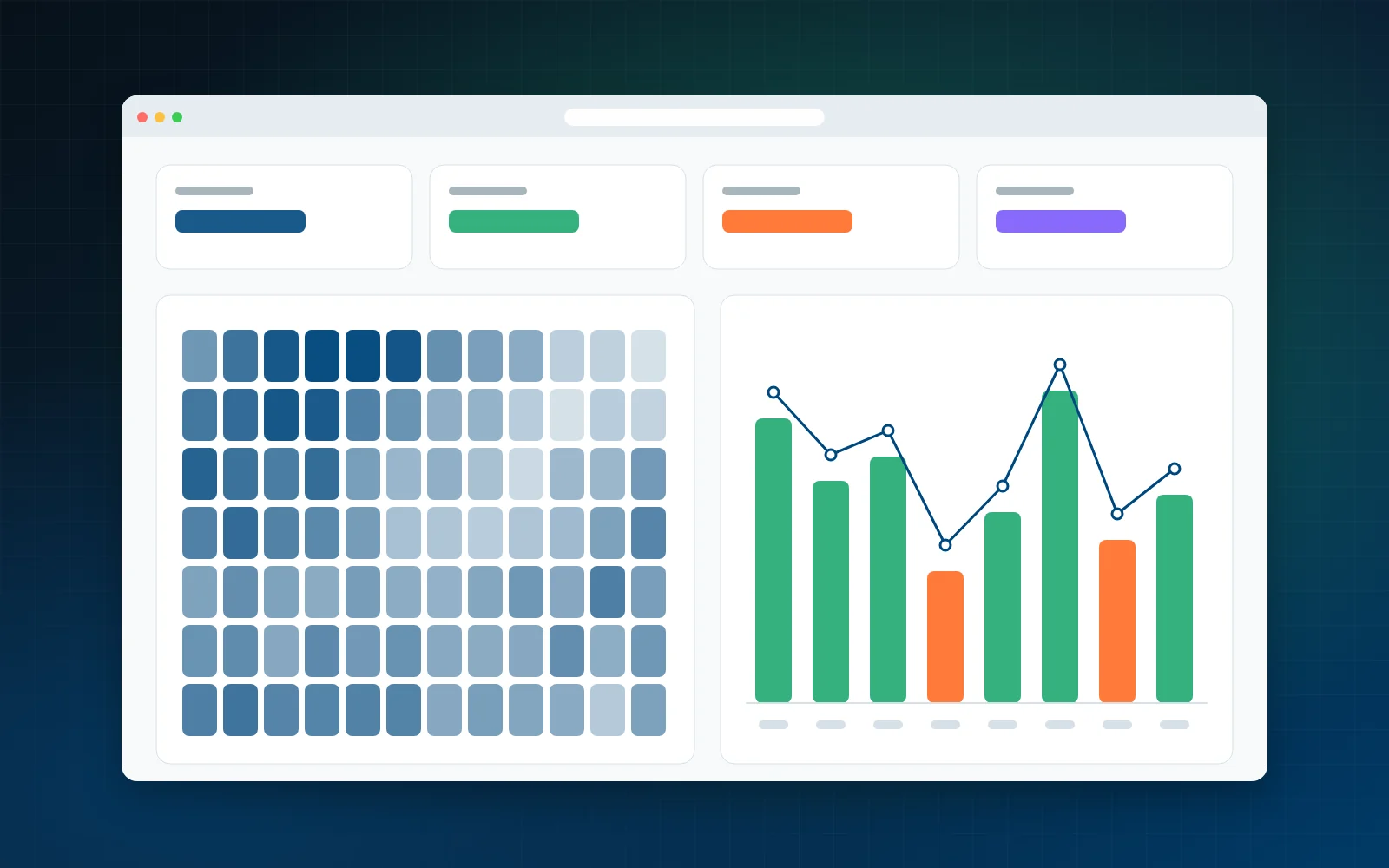
Webzenz developed a platform that simulates TradingView strategies via webhooks, records around 900 trades a day in MongoDB and evaluates strategies with data.
Overview
Before a trading strategy is used with real capital, it should be tested under real market conditions. This platform receives signals from TradingView strategies written in Pine Script on USDT pairs via webhook and records them as simulated trades.
Around 900 simulated trades are created per day, about 6300 per week. The data is stored in MongoDB and analysed.
Starting point
With hundreds of signals a day, manual analysis is not possible. The client needed a solution that records signals reliably and derives clear insights about tokens, time windows and strategies.
Features and delivery
Webhook intake
TradingView sends signals to the platform via POST.
Simulated trades
Every signal is recorded as a simulated trade without real capital.
Analysis by token
Results per token show which pairs suit a strategy.
Time patterns
Analysis by time of day and weekday.
Strategy comparison and trends
Efficiency of different strategies compared and over time.
Webzenz scope of work
- Concept and development of the platform
- Webhook interface and data model
- Data analysis with pandas and NumPy
- Hosting and deployment on AWS
Webzenz is responsible for the technical delivery. Strategies, parameters and trading decisions remain with the client. This reference describes software and is not investment advice.
Technologies used
- Backend and API
- Frontend
- Trading and market data
- Database and data layer
- Servers, cloud and hosting
Result
The client can compare strategies on large amounts of data before making decisions. The analyses show which combinations of token, time window and strategy hold up.
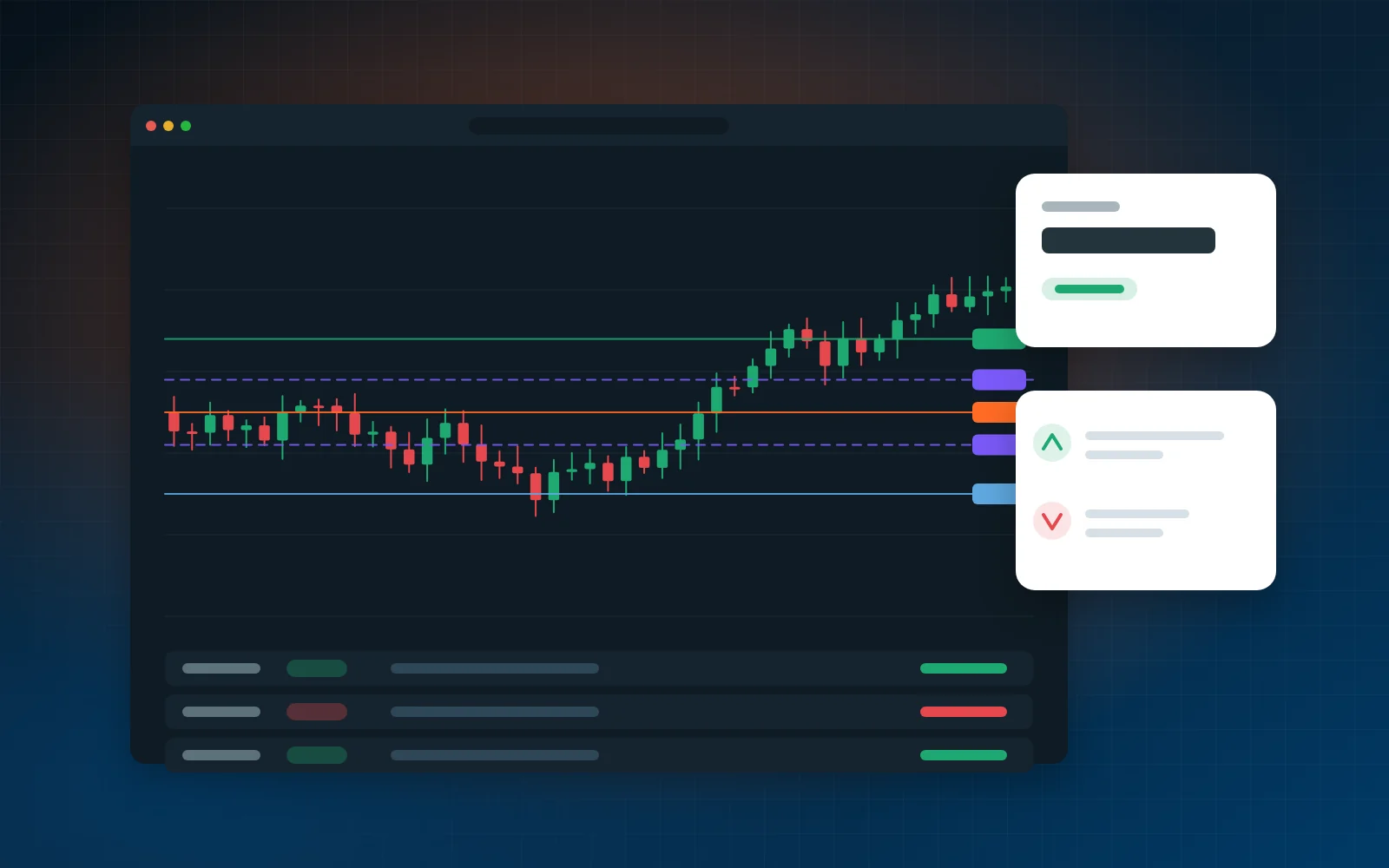
Killer Hedge: Automated Hedge Trading System for Binance Futures
Webzenz developed Killer Hedge, a FastAPI web application that executes and monitors hedge, martingale and tunnel strategies on Binance Futures in real time.
View project: Killer Hedge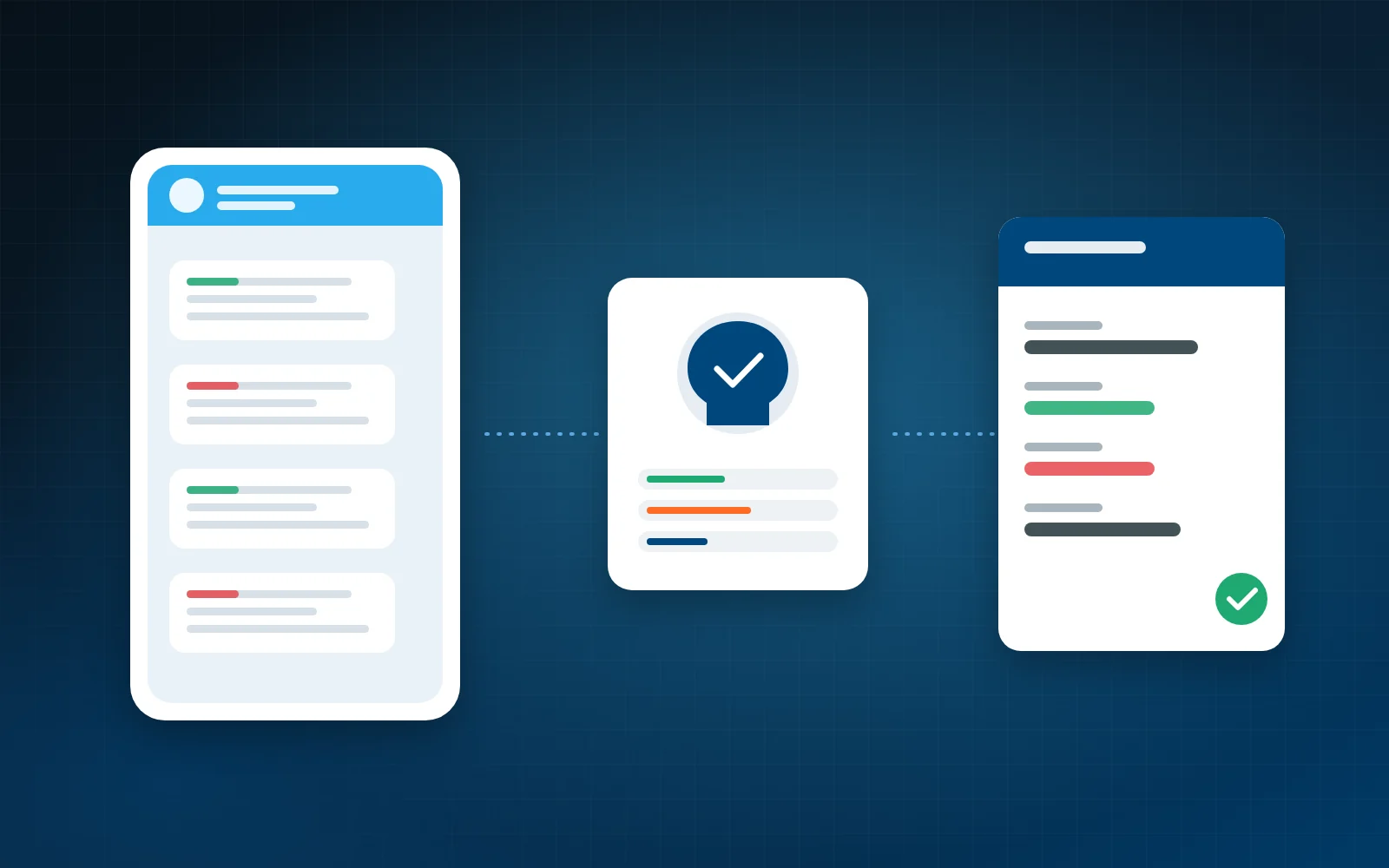
Passive Brain: Automated Execution of Telegram Signals on Binance Futures
Passive Brain reads trading signals from Telegram, validates and structures them and executes them on Binance Futures with stop loss and take profit. Built by Webzenz on AWS.
View project: Passive Brain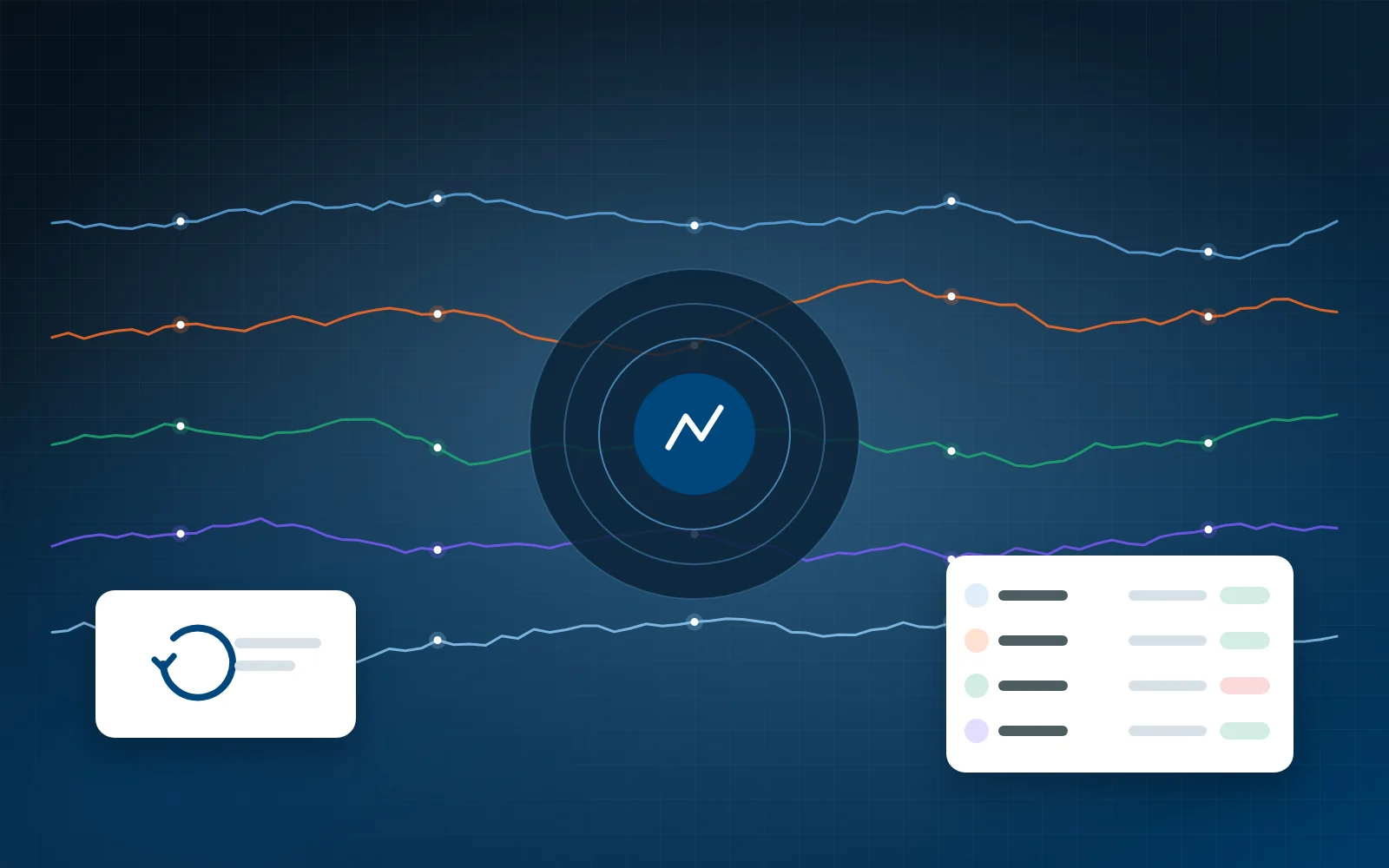
Live Price Websocket: Real-Time Price Streaming for Binance Futures
Webzenz built a websocket service that streams Binance Futures prices in real time, triggers actions and runs on AWS in Tokyo with automatic restarts.
View project: Live Price Websocket